
What actually makes a website convert (not just look good)?
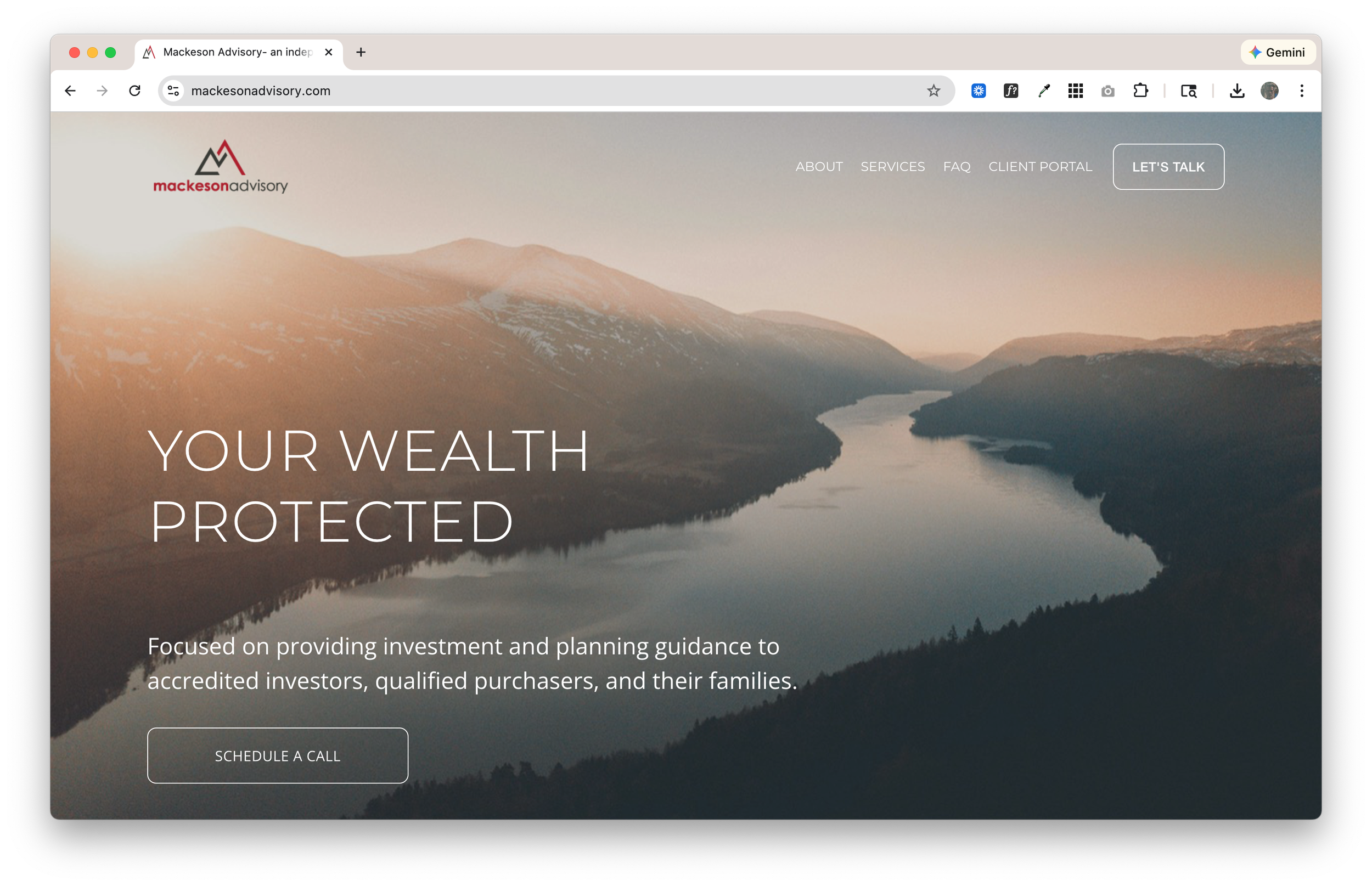
A website can look great and still fail. Design alone doesn’t create conversions — clarity does.
If visitors don’t quickly understand what you do, who it’s for, and what to do next, they leave. It’s that simple.
Here’s what actually makes a website convert.
Clear Messaging Beats Clever Design
The highest-converting websites communicate clearly within seconds.
Visitors should immediately know:
What your business does
Who it’s for
Why it matters
What the next step is
Clever headlines and abstract language might look impressive, but confusion kills conversions. Clear, direct messaging always wins.
Your homepage hero is the most important piece of your website. If it doesn’t explain your value quickly, no amount of design polish will save it.
Structure Guides Behavior
Good websites don’t make people think — they guide them.
Conversion-focused sites use:
Strong visual hierarchy
Scannable layouts
Intentional spacing
One primary call-to-action per page
Design is how a site looks. Structure is how it works. When structure is intentional, visitors naturally move toward action instead of bouncing.
Trust Is Built Before the First Click
People don’t convert unless they trust you.
Trust comes from:
Real projects and examples
Clear explanations of your services
Consistent branding and tone
Simple, confident language
For service-based businesses, this matters even more. Visitors aren’t buying a product — they’re deciding whether they trust you enough to start a conversation.
Conversion Starts With Search Intent
This is where most websites fall apart.
If someone lands on your site from search, your page needs to match why they searched in the first place. When SEO and website design work together, conversion rates improve automatically.
High traffic doesn’t matter if the content doesn’t align with intent. A well-designed page that answers the right question will always outperform a generic page with more visitors.
That’s why SEO should shape website structure, not get layered on afterward.
Speed, Mobile, and Simplicity Matter
Performance is part of conversion.
Websites convert better when they are:
Fast-loading
Easy to use on mobile
Free of unnecessary friction
Too many options, slow load times, or cluttered layouts create hesitation. Hesitation leads to exits.
If a site feels hard to use, people leave — no matter how good it looks.
The Bottom Line
A website converts when:
Messaging is clear
Structure guides action
Trust is established quickly
Search intent is respected
Performance supports the experience
The best websites aren’t just designed. They’re built to work.
Is Your Website Doing Its Job?
If your site looks good but isn’t producing leads, it’s usually a strategy issue — not a design one.
A small shift in clarity, structure, or intent alignment can make a big difference.
